Why Moisture Removal is Critical for SF6 Circuit Breakers
Moisture control in SF6 circuit breakers is not merely a maintenance recommendation—it’s a fundamental requirement for ensuring reliable, safe, and long-lasting operation of these critical power system components. The presence of even trace amounts of moisture can trigger a cascade of detrimental effects that compromise multiple aspects of circuit breaker performance.
Degradation of Insulation Properties
The most immediate
impact of moisture in SF6 circuit breakers is the significant reduction in insulation strength. While pure SF6 gas has exceptional dielectric properties (approximately 2.5-3 times that of air at the same pressure), moisture contamination dramatically alters this advantage. When moisture condenses on solid insulation components such as basin insulators and insulation pull rods within the circuit breaker, the surface flashover voltage can drop to just 60-80% of its value under dry conditions. This substantially increases the risk of internal flashovers during normal operation or voltage surges, potentially leading to catastrophic equipment failure and power system disruptions.
Formation of Corrosive Byproducts
Perhaps the most destructive
consequence of moisture in SF6 circuit breakers occurs during arc interruption events. When the circuit breaker contacts separate under load and especially during fault interruption, temperatures in the arc zone can exceed 3,000K. Under these extreme conditions, SF6 gas decomposes into various byproducts, and the presence of moisture catalyzes harmful chemical reactions that produce highly corrosive compounds:
- Hydrofluoric acid (HF): Forms through reactions between decomposed SF6 and moisture
- Sulfurous acid (H2SO3) and sulfuric acid (H2SO4): Result from oxidation processes
- Toxic sulfur fluorides like SOF2, SOF4, SO2F2: Form through complex reaction pathways
These corrosive byproducts attack multiple internal components:
- Degradation of epoxy insulating materials
- Corrosion of metal contacts and current-carrying parts
- Deterioration of contact surface plating
- Damage to operating mechanisms and seals
The corrosion process is self-accelerating—once initiated, it creates rougher surfaces that trap more moisture and decomposition products, leading to progressively worse conditions with each operation.
Disruption of Arc Quenching Performance
SF6 circuit breakers rely on specific gas properties to efficiently extinguish electrical arcs. Moisture contamination disrupts this critical function by:
- Altering the thermal properties of the gas mixture, reducing its heat transfer capabilities
- Changing the dielectric recovery characteristics after current zero
- Creating non-uniformities in the electric field distribution within the arc chamber
These effects can lead to prolonged arcing times, increased contact erosion, and potentially failure to interrupt fault currents. Research has demonstrated that moisture content exceeding recommended limits can reduce interruption capability by up to 20% in high-voltage applications.
Safety Hazards for Personnel
The chemical byproducts formed in moist SF6 environments present significant health risks to maintenance personnel. Hydrofluoric acid is particularly dangerous—it can cause severe burns on contact with skin and is toxic if inhaled. Other decomposition products like sulfur dioxide and various sulfur fluorides are respiratory irritants that can cause serious health effects even at low concentrations. Strict moisture control is therefore essential not just for equipment reliability but for workplace safety.
Long-Term Equipment Degradation
Even when immediate failures don’t occur, persistent moisture contamination leads to progressive deterioration of internal components. The constant cycle of arc decomposition, moisture reaction, and corrosion byproducts gradually reduces the mechanical integrity of contacts, the dielectric strength of insulation systems, and the sealing effectiveness of gaskets and O-rings. This accelerates aging processes and significantly shortens the operational lifespan of what should be decades-long equipment.
Prevention and Control Strategies
Given these critical concerns, comprehensive moisture management strategies for SF6 circuit breakers include:
- Factory drying procedures: Strict moisture control during manufacturing and assembly
- Molecular sieve adsorbents: Strategically placed desiccants within the circuit breaker to capture residual and ingress moisture
- Sealing integrity: High-quality seals and rigorous leak testing to prevent atmospheric moisture ingress
- Regular moisture testing: Periodic measurement of moisture content using calibrated instruments
- Gas reclamation: When moisture exceeds limits (typically 200-500 ppmv depending on voltage class), gas must be processed through filtration and drying systems
Modern SF6 handling standards (IEC 62271-4, IEEE C37.122.3) establish strict moisture limits that vary with equipment type and operating temperature to ensure these critical devices maintain their exceptional reliability and safety characteristics throughout their operational life.
In summary, moisture removal from
SF6 circuit breakers is critical because it preserves the fundamental properties that make SF6 such an effective insulating and arc-quenching medium, prevents destructive chemical reactions that compromise equipment integrity, ensures operational reliability under all conditions, and protects personnel from hazardous byproducts. Proper moisture management isn’t an optional maintenance task—it’s essential to the core functionality and longevity of these vital power system protection devices.
Yes, advanced SF6 analyzers are capable of detecting key decomposition products such as sulfur dioxide (SO₂), hydrogen sulfide (H₂S), and carbon monoxide (CO). These gases form when SF6 decomposes under electrical arcing or overheating conditions. Detecting them helps assess insulation health, identify internal faults, and ensure personnel safety during maintenance of high-voltage equipment.
The humidity (dew point) measurement accuracy in high-quality SF6 gas analyzers typically ranges from ±0.5°C to ±1.0°C dew point under standard operating conditions. Some advanced models using chilled mirror or capacitive polymer sensors may achieve even higher precision. Accuracy can be influenced by factors such as gas pressure, temperature stability, and sensor calibration. Reliable dew point measurement is critical for assessing insulation performance and preventing condensation-related failures in high-voltage equipment.
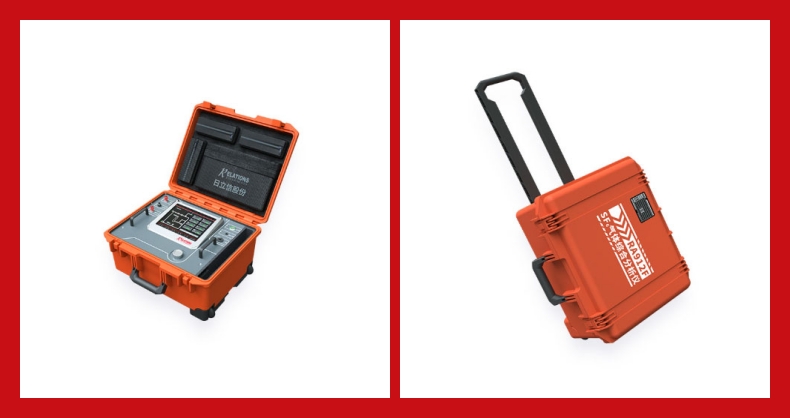
Yes, most SF6 gas analyzers are designed to be portable and field-ready, featuring compact, rugged enclosures—often in pull-handle trolley cases with wheels—for easy transport. They are battery-powered, operate in a wide temperature range, and function reliably in substation environments. Their lightweight design and integrated handles make them suitable for on-site testing of GIS, circuit breakers, and other high-voltage equipment without requiring lab conditions.
Many professional-grade SF6 gas analyzers are designed to comply with key international standards such as IEC 60480 (guidelines for reusing SF6) and IEEE C37.122 (requirements for gas-insulated substations). Compliance ensures accurate measurement of gas quality, safe handling, and alignment with industry best practices for maintenance and emissions control. However, compliance varies by model and manufacturer, so users should verify certification documentation before purchase.