
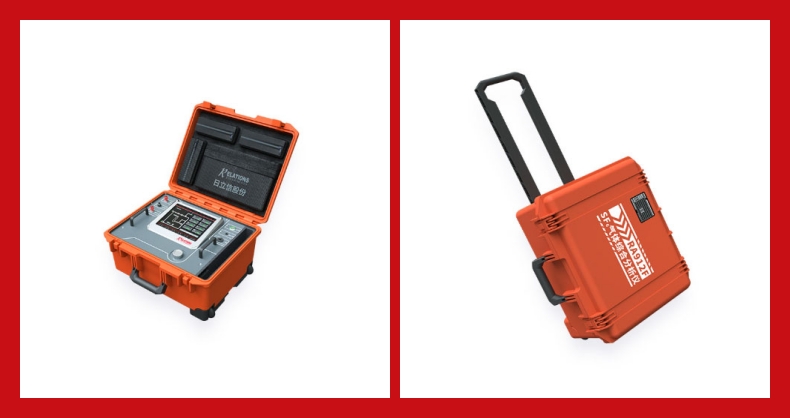
When maintaining high-voltage switchgear, gas-insulated substations (GIS), or circuit breakers, accurate on-site assessment of sulfur hexafluoride (SF₆) quality is critical for safety, compliance, and equipment reliability. The Returnable SF6 Gas Analyzer—a portable, field-deployable instrument often provided by service providers or rental programs—plays a vital role in this process.
But what exactly can it measure? This article details the gases and parameters a Returnable SF6 Gas Analyzer can detect and analyze, explains why each matters, and helps you choose the right tool for applications like SF6 gas handling for SF6/N2 mixture separation, fault diagnostics, and regulatory compliance.
Most modern Returnable SF6 Gas Analyzers are designed to assess four key aspects of SF₆ gas quality:
🔍 Low SF₆ purity may indicate air ingress, incomplete recovery, or improper refilling.
⚠️ IEC 60480 limits moisture to ≤200 ppmv for reuse; new gas must be ≤5 ppmv.
Generated during arcing or partial discharge, these indicate internal faults:
| Gas | Detection Range | Significance |
|---|---|---|
| SO₂ (Sulfur Dioxide) | 0–100 ppm (0.1 ppm res.) | Primary indicator of SF₆ decomposition |
| H₂S (Hydrogen Sulfide) | 0–10 ppm (0.1 ppm res.) | Signals severe overheating or insulation failure |
| CO (Carbon Monoxide) | 0–500 ppm (optional) | Suggests thermal degradation of organic materials |
❗ Note: HF (Hydrofluoric Acid) is rarely measured directly due to sensor corrosion risks. SO₂ serves as a reliable proxy.
✅ Only models explicitly designed for mixtures support N₂ analysis—verify before use.
| Manufacturer | Model | SF₆% | H₂O | SO₂ | H₂S | CO | N₂ / Mixture Support |
|---|---|---|---|---|---|---|---|
| DILO | GA10 | ✅ | ✅ | ✅ | ❌ | ❌ | ❌ |
| WIKA | GPA-07x | ✅ | ✅ | ✅ | ✅ | Optional | ❌ |
| MBW | 973-SF6 | ✅ | ✅ | ✅ | ✅ | Optional | ✅ (with MIX module) |
| GDS | GAZ 100 | ✅ | ✅ | ✅ | ✅ | ✅ | ✅ |
💡 “Returnable” refers to rental/loaner availability—not technical specs. Always confirm sensor capabilities before deployment.
Proper use of a Returnable SF6 Gas Analyzer supports:
For example, during SF6 gas handling for SF6/N2 mixture separation, knowing the exact N₂ content ensures optimal cryogenic separation and avoids cross-contamination.
A Returnable SF6 Gas Analyzer is far more than a simple purity checker. Depending on the model, it can detect SF₆ concentration, moisture, SO₂, H₂S, CO, and even nitrogen—enabling informed decisions during switchgear servicing, gas recovery, and mixture separation.
For applications involving SF6 gas handling for SF6/N2 mixture separation, selecting an analyzer with N₂ quantification is essential. Always match the instrument’s capabilities to your operational needs, and never assume all “SF6 analyzers” offer the same functionality.
By leveraging the right tool with proper training, utilities ensure grid reliability, regulatory compliance, and environmental responsibility—all from a single, portable device.
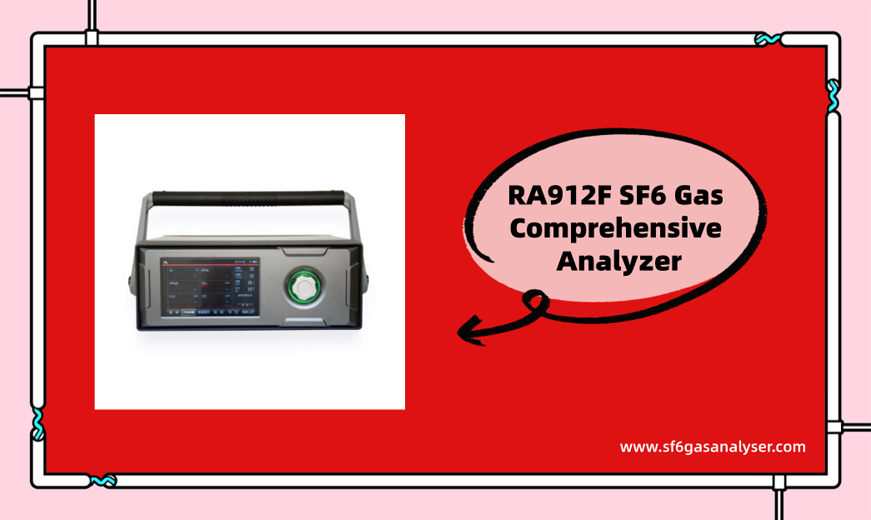
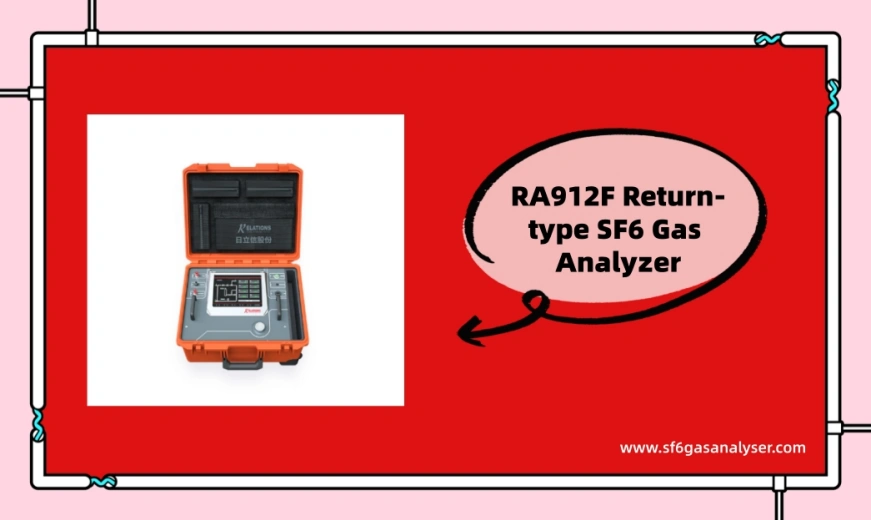
Yes, advanced SF6 analyzers are capable of detecting key decomposition products such as sulfur dioxide (SO₂), hydrogen sulfide (H₂S), and carbon monoxide (CO). These gases form when SF6 decomposes under electrical arcing or overheating conditions. Detecting them helps assess insulation health, identify internal faults, and ensure personnel safety during maintenance of high-voltage equipment.
The humidity (dew point) measurement accuracy in high-quality SF6 gas analyzers typically ranges from ±0.5°C to ±1.0°C dew point under standard operating conditions. Some advanced models using chilled mirror or capacitive polymer sensors may achieve even higher precision. Accuracy can be influenced by factors such as gas pressure, temperature stability, and sensor calibration. Reliable dew point measurement is critical for assessing insulation performance and preventing condensation-related failures in high-voltage equipment.
Yes, most SF6 gas analyzers are designed to be portable and field-ready, featuring compact, rugged enclosures—often in pull-handle trolley cases with wheels—for easy transport. They are battery-powered, operate in a wide temperature range, and function reliably in substation environments. Their lightweight design and integrated handles make them suitable for on-site testing of GIS, circuit breakers, and other high-voltage equipment without requiring lab conditions.
Many professional-grade SF6 gas analyzers are designed to comply with key international standards such as IEC 60480 (guidelines for reusing SF6) and IEEE C37.122 (requirements for gas-insulated substations). Compliance ensures accurate measurement of gas quality, safe handling, and alignment with industry best practices for maintenance and emissions control. However, compliance varies by model and manufacturer, so users should verify certification documentation before purchase.