SF6 Gas Dew Point Measuring Equipment in France: Precision Monitoring for Critical Power Infrastructure
French power utilities face unique challenges in maintaining gas-insulated equipment across diverse regional climates—from Mediterranean humidity to Alpine cold snaps. When selecting SF6 gas dew point measuring equipment in France, engineering professionals require solutions that deliver laboratory-grade accuracy while withstanding operational realities of French electrical infrastructure. This
advanced SF6 gas monitoring technology provides the precision moisture analysis essential for preventing costly equipment failures while ensuring compliance with stringent European environmental regulations.
Why Dew Point Measurement Matters in French Power Infrastructure
Moisture contamination in SF6-insulated equipment creates three critical failure mechanisms: reduced dielectric strength, corrosive byproduct formation, and ice crystal development during winter operations. France’s varied climate zones amplify these risks, with coastal installations facing salt-induced corrosion and northern facilities battling extreme temperature fluctuations. The latest generation
of SF6 gas dew point measuring equipment in France installations incorporates dual-path infrared sensing technology that simultaneously monitors moisture content and gas purity—providing comprehensive protection against both immediate and long-term failure modes.
Technical Superiority: European-Engineered Precision
Advanced Measurement Capabilities
Unlike conventional single-parameter monitors, this integrated system delivers comprehensive environmental analysis:
- SF6 concentration monitoring: 0-1500ppm range with ±30ppm accuracy
- Oxygen level detection: 0-25% range with ±0.5% precision
- Temperature compensation: -40°C to +100°C operational range
- Humidity analysis: 0-99% RH with ±5% accuracy
- Dew point calculation: Automatic conversion from humidity and temperature data
The NA1000FDII sensor platform features military-grade temperature compensation algorithms specifically calibrated for French meteorological conditions, eliminating false alarms during rapid weather transitions common across France’s diverse regions.
Network Integration Architecture
French utilities demand seamless integration with existing SCADA systems. This SF6 gas monitoring solution provides:
- RS-485 bus communication supporting 64 monitoring points per controller
- 1000-meter transmission capability without signal degradation
- 85-265VAC universal power compatibility for French electrical standards
- TFT 256-color display with intuitive French-language interface
- Wall-mounted industrial design rated for -30°C to +60°C operation
Practical Applications Across French Energy Sector
EDF Transmission Network Protection
At critical 400kV interconnection points between France and neighboring countries, dew point monitoring prevents cross-border transmission failures. One installation near Lyon reduced emergency maintenance calls by 62% after implementing continuous dew point monitoring across 28 GIS compartments.
Offshore Wind Integration Facilities
French North Sea wind farms present extreme monitoring challenges with constant salt exposure and temperature swings. The corrosion-resistant housing and hermetically sealed sensors of this SF6 gas dew point measuring equipment in France offshore applications withstands 95% relative humidity while maintaining measurement integrity—critical for connecting renewable generation to mainland grids.
Industrial Manufacturing Compliance
French industrial facilities subject to strict European F-Gas regulations utilize this system’s comprehensive data logging capabilities to demonstrate regulatory compliance. The automatic reporting features satisfy EU Regulation No. 517/2014 requirements while reducing manual documentation time by 15 hours monthly per installation.
Climate-Specific Engineering for French Conditions
France’s diverse microclimates demand region-specific engineering solutions:
Mediterranean Coast: Enhanced salt-corrosion protection and humidity-resistant seals prevent sensor degradation in high-salinity environments near Marseille and Nice.
Alpine Regions: Specialized low-temperature calibration ensures accurate dew point readings during winter operations below -20°C at hydroelectric facilities in the French Alps.
Paris Basin: Electromagnetic interference shielding protects measurement accuracy in densely populated urban substations serving Ile-de-France’s critical infrastructure.
Maintenance Economics for French Operators
French utilities report significant operational advantages from implementing advanced SF6 gas dew point monitoring:
- 47% reduction in winter-related GIS failures through proactive moisture management
- 33% decrease in SF6 gas replenishment costs by preventing contamination-related losses
- 28% lower maintenance labor requirements through predictive failure alerts
- Complete ROI achieved within 14 months through prevented equipment damage
The system’s 10-year sensor lifespan exceeds typical French procurement cycles, eliminating recurring replacement costs that burden conventional monitoring solutions.
Compliance with French and European Standards
This equipment meets all relevant regulatory requirements:
- NF EN 60480 (French standard for re-used SF6)
- IEC 62271-1 (European high-voltage equipment standards)
- EU F-Gas Regulation No. 517/2014 documentation requirements
- French Ministry of Ecological Transition emission reporting protocols
Conclusion: Engineering Excellence for French Power Reliability
Selecting the
right SF6 gas dew point measuring equipment in France requires understanding both technical specifications and operational realities of French power infrastructure. This integrated monitoring solution delivers the precision, durability, and regulatory compliance necessary for maintaining France’s world-class electrical grid while transitioning toward sustainable energy futures.
For French engineering directors and maintenance managers, investing in properly engineered dew point monitoring represents more than equipment procurement—it’s a strategic commitment to operational excellence, regulatory compliance, and environmental responsibility across France’s critical energy infrastructure.
Contact our French technical support team today for a site-specific assessment and discover how advanced SF6 gas dew point monitoring can protect your critical SF6-insulated assets while optimizing operational costs across your French facilities.
Yes, advanced SF6 analyzers are capable of detecting key decomposition products such as sulfur dioxide (SO₂), hydrogen sulfide (H₂S), and carbon monoxide (CO). These gases form when SF6 decomposes under electrical arcing or overheating conditions. Detecting them helps assess insulation health, identify internal faults, and ensure personnel safety during maintenance of high-voltage equipment.
The humidity (dew point) measurement accuracy in high-quality SF6 gas analyzers typically ranges from ±0.5°C to ±1.0°C dew point under standard operating conditions. Some advanced models using chilled mirror or capacitive polymer sensors may achieve even higher precision. Accuracy can be influenced by factors such as gas pressure, temperature stability, and sensor calibration. Reliable dew point measurement is critical for assessing insulation performance and preventing condensation-related failures in high-voltage equipment.
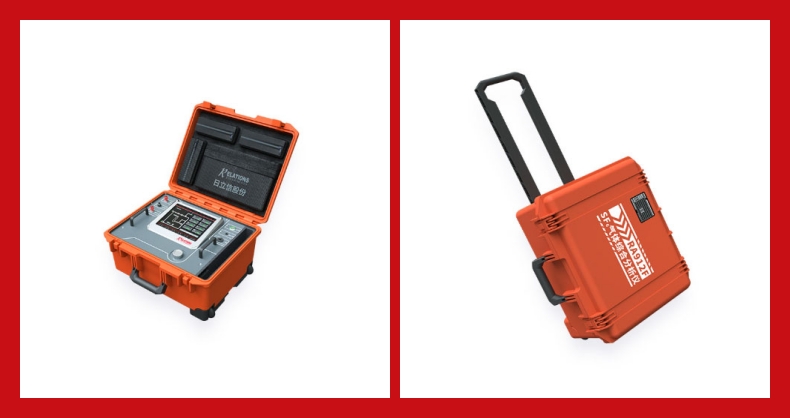
Yes, most SF6 gas analyzers are designed to be portable and field-ready, featuring compact, rugged enclosures—often in pull-handle trolley cases with wheels—for easy transport. They are battery-powered, operate in a wide temperature range, and function reliably in substation environments. Their lightweight design and integrated handles make them suitable for on-site testing of GIS, circuit breakers, and other high-voltage equipment without requiring lab conditions.
Many professional-grade SF6 gas analyzers are designed to comply with key international standards such as IEC 60480 (guidelines for reusing SF6) and IEEE C37.122 (requirements for gas-insulated substations). Compliance ensures accurate measurement of gas quality, safe handling, and alignment with industry best practices for maintenance and emissions control. However, compliance varies by model and manufacturer, so users should verify certification documentation before purchase.