
Sulfur hexafluoride (SF6) gas analyzers play a critical role in maintaining the safety, efficiency, and regulatory compliance of high-voltage electrical equipment. A common question among engineers and facility managers is: Do SF6 analyzers comply with international standards like IEC 60480 and IEEE C37.122? The answer is nuanced—but generally, yes—when using reputable instruments designed for compliance support.
Published by the International Electrotechnical Commission (IEC), IEC 60480 sets strict limits for impurities in reclaimed SF6 gas, including:
This standard ensures that recycled SF6 remains safe and effective for reuse in electrical insulation systems.
The IEEE C37.122 standard provides best practices for GIS design, operation, and maintenance—including SF6 handling procedures. While it doesn’t certify devices directly, it references gas quality thresholds that align closely with IEC 60480.
SF6 analyzers themselves are not “certified” under IEC 60480 or IEEE C37.122—these are application and operational guidelines, not product certification standards. However, high-quality analyzers are engineered to measure the exact parameters required by these standards, enabling users to verify compliance.
Key measurement capabilities include:
When an analyzer delivers accurate, traceable readings within these ranges, it empowers operators to ensure their SF6 meets IEC 60480 reuse criteria and adheres to IEEE C37.122 operational recommendations.
To ensure your SF6 gas testing supports international compliance, look for the following features:
For example, if an SF6 sample from a circuit breaker shows:
…it likely qualifies for reuse under IEC 60480. An advanced SF6 analyzer makes this verification fast, accurate, and field-ready—directly supporting IEEE C37.122’s emphasis on proactive GIS maintenance.
While no SF6 analyzer carries an official “IEC 60480 certification,” top-tier instruments are designed specifically to enable compliance with both IEC 60480 and IEEE C37.122 through precise, standardized measurements. Always review the manufacturer’s specifications, calibration certificates, and application guidance to confirm suitability for your operational and regulatory needs.
By selecting a compliant-capable analyzer, utilities and industrial facilities can maintain grid reliability, reduce SF6 emissions, and meet global environmental and safety benchmarks.
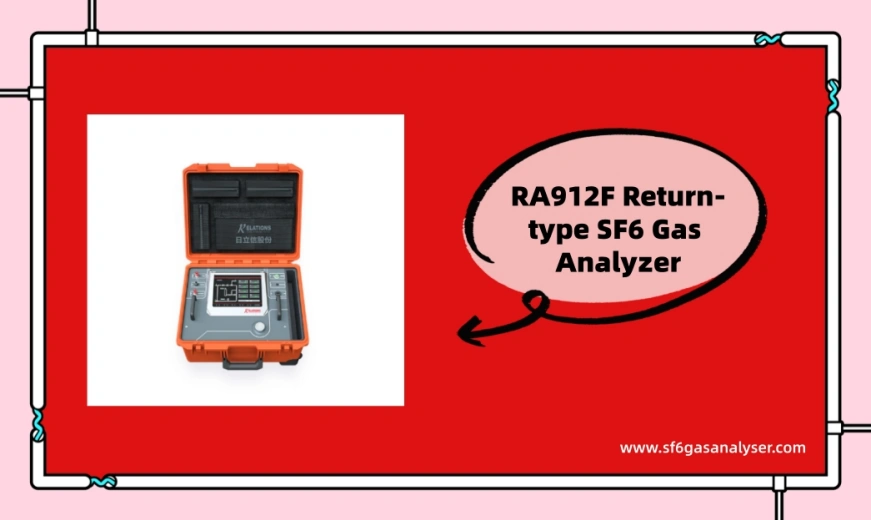
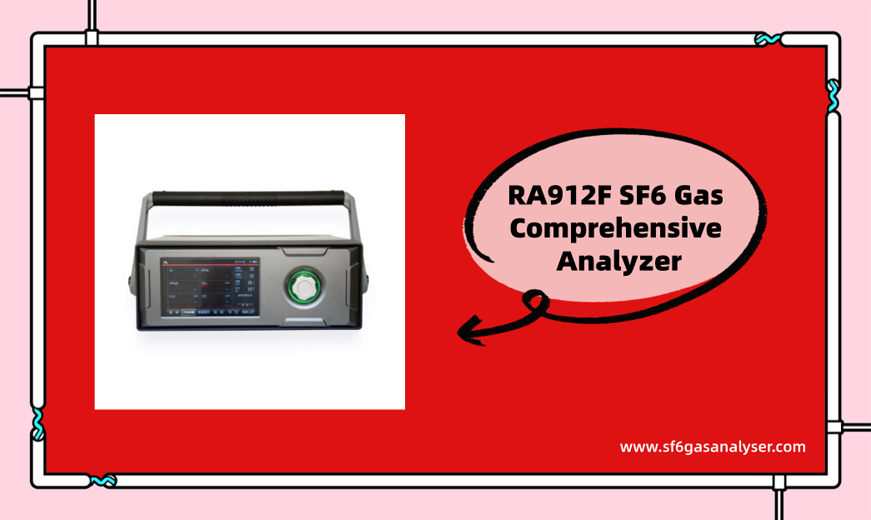
Yes, advanced SF6 analyzers are capable of detecting key decomposition products such as sulfur dioxide (SO₂), hydrogen sulfide (H₂S), and carbon monoxide (CO). These gases form when SF6 decomposes under electrical arcing or overheating conditions. Detecting them helps assess insulation health, identify internal faults, and ensure personnel safety during maintenance of high-voltage equipment.
The humidity (dew point) measurement accuracy in high-quality SF6 gas analyzers typically ranges from ±0.5°C to ±1.0°C dew point under standard operating conditions. Some advanced models using chilled mirror or capacitive polymer sensors may achieve even higher precision. Accuracy can be influenced by factors such as gas pressure, temperature stability, and sensor calibration. Reliable dew point measurement is critical for assessing insulation performance and preventing condensation-related failures in high-voltage equipment.
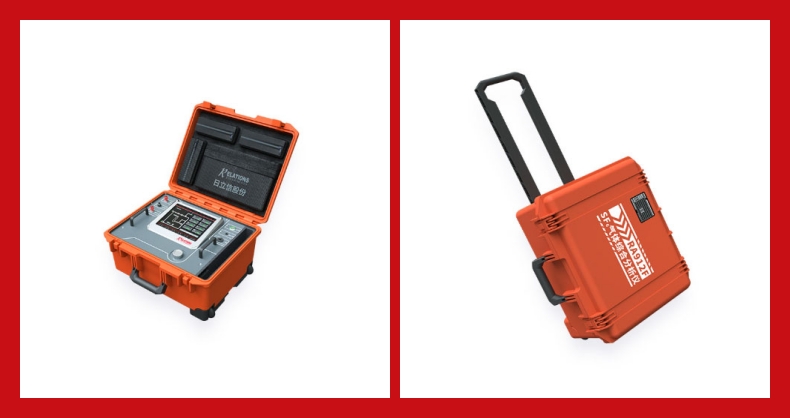
Yes, most SF6 gas analyzers are designed to be portable and field-ready, featuring compact, rugged enclosures—often in pull-handle trolley cases with wheels—for easy transport. They are battery-powered, operate in a wide temperature range, and function reliably in substation environments. Their lightweight design and integrated handles make them suitable for on-site testing of GIS, circuit breakers, and other high-voltage equipment without requiring lab conditions.
Many professional-grade SF6 gas analyzers are designed to comply with key international standards such as IEC 60480 (guidelines for reusing SF6) and IEEE C37.122 (requirements for gas-insulated substations). Compliance ensures accurate measurement of gas quality, safe handling, and alignment with industry best practices for maintenance and emissions control. However, compliance varies by model and manufacturer, so users should verify certification documentation before purchase.