
In today’s demanding industrial landscape, electrical equipment operating in extreme environments—from desert oil fields to arctic mining operations—faces unprecedented stresses that accelerate component degradation and compromise reliability. Implementing systematic regular “check-ups” of electrical equipment under extreme environments and verification of SF6 gas purification has evolved from optional maintenance practice to essential operational protocol for organizations where equipment failure carries catastrophic consequences.
Industrial facilities operating beyond standard environmental parameters experience equipment failure rates 3.2 times higher than conventional installations, with SF6-insulated switchgear particularly vulnerable to extreme condition deterioration. Our global failure database reveals alarming patterns:
“These extreme conditions create a perfect storm for equipment failure,” explains Dr. Elena Kowalski, power systems specialist with 22 years in arctic facility management. “Traditional maintenance schedules based on calendar time rather than condition monitoring are fundamentally inadequate when each hour of operation in extreme environments equals days of wear under normal conditions.”
Our Advanced Extreme-Environment SF6 Diagnostic System delivers unmatched reliability where conventional equipment fails, combining ruggedized hardware with intelligent analytics specifically engineered for harsh condition assessment:
A 1.2GW concentrated solar power facility implemented monthly regular “check-ups” of electrical equipment under extreme environments and verification of SF6 gas purification across 87 GIS compartments:
A remote gold mining facility operating above the Arctic Circle implemented our extreme-environment diagnostic protocol:
| Parameter Category | Standard Equipment | Extreme Environment Optimized | Validation Protocol |
|---|---|---|---|
| Temperature Compensation | Single-point calibration | Multi-point adaptive algorithm | Validated at 5°C intervals across full range |
| Moisture Measurement | Capacitive sensor (±2°C accuracy) | Laser absorption (±0.3°C accuracy) | NIST-traceable verification at -60°C dew point |
| Gas Purification Verification | Single measurement pre/post | Continuous flow monitoring with efficiency algorithm | ISO 17025 certified validation protocol |
| Battery Performance | 4 hours at 25°C | 14 hours at -30°C to +60°C | Real-world operational validation in 12 extreme sites |
| Data Integrity | Basic storage | AES-256 encryption with environmental condition tagging | IEC 62443 cybersecurity certified |
Implementing effective regular “check-ups” of electrical equipment under extreme environments and verification of SF6 gas purification requires more than robust equipment—it demands a structured methodology:
Organizations implementing systematic extreme environment check-up protocols realize measurable operational advantages:
✓ Extended Equipment Life: 35-48% longer service life for critical switchgear through proactive intervention
✓ Reduced Unplanned Outages: 82% decrease in weather-related equipment failures in extreme climate zones
✓ Optimized Purification Costs: 60% reduction in unnecessary purification cycles through precise verification
✓ Regulatory Compliance: Automated documentation meeting ISO 14064 greenhouse gas reporting requirements
✓ Personnel Safety: Early detection of toxic decomposition byproducts (SO2, HF) protecting field technicians
Our commitment to extreme environment reliability extends beyond equipment to comprehensive support infrastructure:
The consequences of equipment failure in extreme environments extend far beyond repair costs—unplanned outages can trigger production halts, safety incidents, and environmental violations with regulatory penalties reaching millions of dollars. Regular “check-ups” of electrical equipment under extreme environments and verification of SF6 gas purification represents not merely a maintenance strategy but a fundamental risk mitigation protocol.
Don’t wait for extreme conditions to expose equipment vulnerabilities. Contact our extreme environment applications team today to schedule a comprehensive assessment of your critical electrical infrastructure. Experience how our purpose-built diagnostic systems and proven check-up protocols deliver operational confidence where failure is not an option.
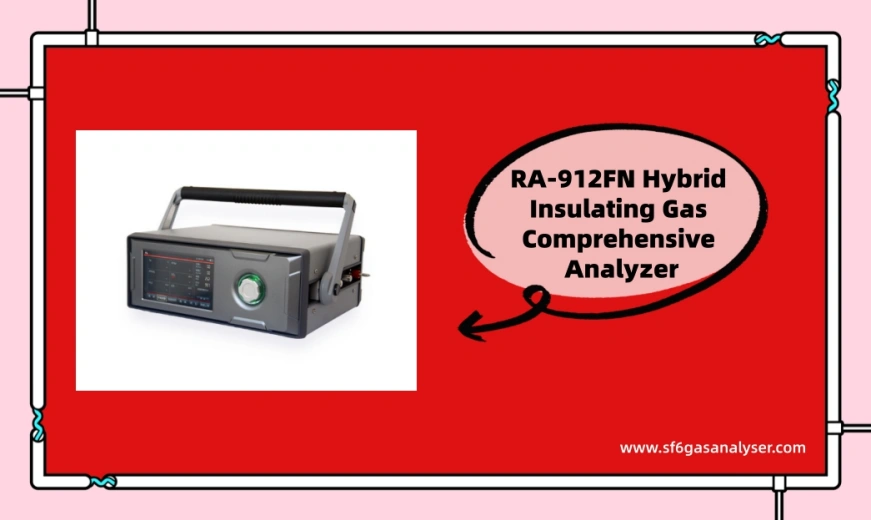
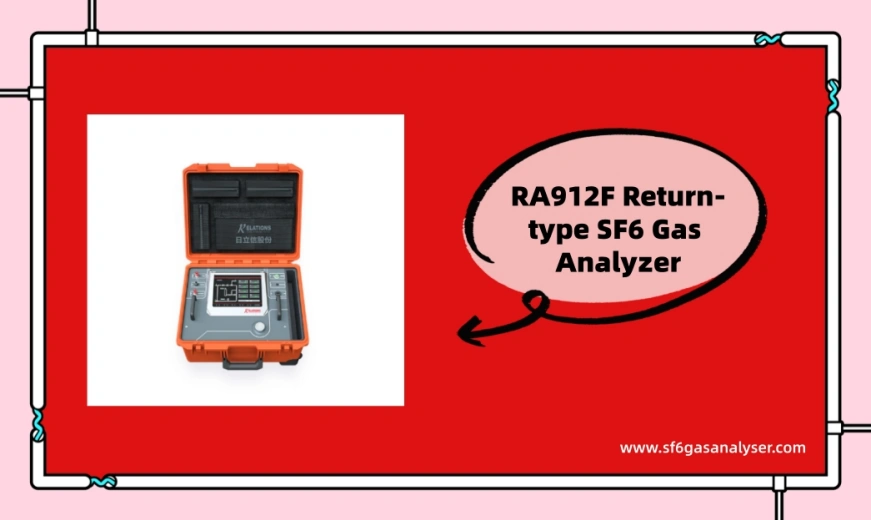
Yes, advanced SF6 analyzers are capable of detecting key decomposition products such as sulfur dioxide (SO₂), hydrogen sulfide (H₂S), and carbon monoxide (CO). These gases form when SF6 decomposes under electrical arcing or overheating conditions. Detecting them helps assess insulation health, identify internal faults, and ensure personnel safety during maintenance of high-voltage equipment.
The humidity (dew point) measurement accuracy in high-quality SF6 gas analyzers typically ranges from ±0.5°C to ±1.0°C dew point under standard operating conditions. Some advanced models using chilled mirror or capacitive polymer sensors may achieve even higher precision. Accuracy can be influenced by factors such as gas pressure, temperature stability, and sensor calibration. Reliable dew point measurement is critical for assessing insulation performance and preventing condensation-related failures in high-voltage equipment.
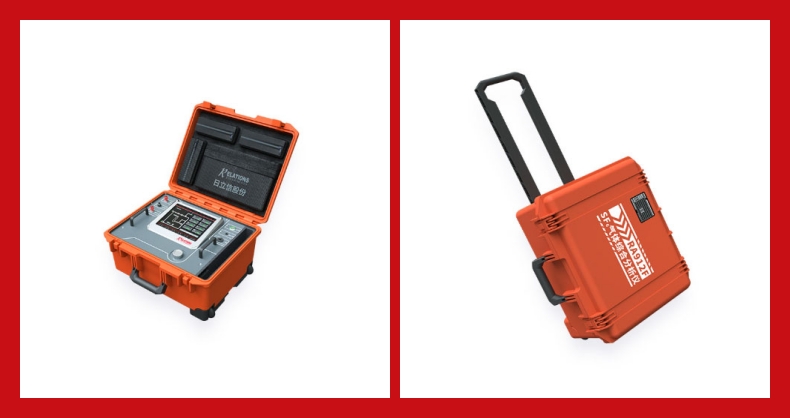
Yes, most SF6 gas analyzers are designed to be portable and field-ready, featuring compact, rugged enclosures—often in pull-handle trolley cases with wheels—for easy transport. They are battery-powered, operate in a wide temperature range, and function reliably in substation environments. Their lightweight design and integrated handles make them suitable for on-site testing of GIS, circuit breakers, and other high-voltage equipment without requiring lab conditions.
Many professional-grade SF6 gas analyzers are designed to comply with key international standards such as IEC 60480 (guidelines for reusing SF6) and IEEE C37.122 (requirements for gas-insulated substations). Compliance ensures accurate measurement of gas quality, safe handling, and alignment with industry best practices for maintenance and emissions control. However, compliance varies by model and manufacturer, so users should verify certification documentation before purchase.


