
Sulfur hexafluoride (SF6) remains essential to modern electrical infrastructure, providing unmatched insulation properties for high-voltage equipment. However, with a global warming potential 23,500 times greater than CO2 and an atmospheric lifetime of 3,200 years, responsible SF6 gas management has become an environmental and regulatory imperative. This comprehensive guide explores how high-precision detection technologies enable effective SF6 gas recycling and zero-emission operation and maintenance practices that meet today’s stringent environmental standards while maintaining grid reliability.
SF6 emissions from electrical equipment represent approximately 80% of global SF6 usage, with the power industry facing increasing pressure to reduce its carbon footprint. According to the EPA’s SF6 Emission Reduction Partnership for Electric Power Systems, the average leak rate from installed equipment is 1.8% annually—translating to significant environmental impact when scaled across global infrastructure.
The regulatory landscape continues to tighten, with the EU F-Gas Regulation mandating phasedowns and the EPA requiring detailed reporting of SF6 emissions. These frameworks establish why high-precision detection is not merely beneficial but essential for compliance and sustainability.
Quantum cascade laser (QCL) and tunable diode laser (TDL) technologies represent the cutting edge in SF6 leak detection, offering sensitivity down to 0.01 parts per million (ppm). These systems enable:
Field studies by CIGRE Working Group B3.28 demonstrated that regular monitoring with laser-based systems reduced annual SF6 losses by 42% compared to conventional maintenance schedules.
Optical gas imaging (OGI) cameras operating in specific infrared wavelengths make invisible SF6 leaks visible, allowing maintenance teams to:
Modern handheld OGI cameras now detect leaks as small as 0.15 grams per hour, providing unprecedented sensitivity for field applications.
Fixed monitoring systems create comprehensive protection for critical infrastructure:
These systems typically achieve 98% leak detection efficiency when properly deployed across substations and switching facilities.
Before any handling procedure, high-precision SF6 gas analyzers should determine:
This comprehensive analysis establishes baseline conditions and determines appropriate recycling protocols.
Modern SF6 recovery units with dual-stage compressors and multi-stage filtration achieve recovery rates exceeding 99.95% when operated correctly:
Proper training and certification of personnel handling these systems is critical for maintaining zero-emission standards during transfer operations.
Mobile SF6 purification units enable immediate gas processing with capabilities to:
Post-recycling verification through independent laboratory analysis or certified portable analyzers provides documented evidence of gas quality suitable for equipment reuse.
Implementing blockchain-enabled or cloud-based gas tracking platforms creates transparency and accountability:
These systems satisfy increasingly stringent regulatory requirements while providing data for continuous improvement initiatives.
AI-driven analysis of SF6 monitoring data enables:
Utilities implementing predictive approaches report 30-60% reductions in scheduled maintenance interventions while improving reliability metrics.
Effective SF6 management requires specialized knowledge and consistent protocols:
Organizations with comprehensive training programs demonstrate 70% fewer handling incidents and significantly reduced emissions compared to industry averages.
Adherence to recognized standards establishes credibility and ensures proper implementation:
Third-party certification of gas handling processes through organizations like Kiwa or DNV provides independent verification of zero-emission claims and enhances stakeholder confidence.
Implementing high-precision detection and closed-loop recycling delivers substantial benefits:
A typical 400kV substation implementing these technologies achieves full ROI within 2.3 years through gas savings alone, not accounting for regulatory and reputational benefits.
While zero-emission handling addresses immediate concerns, the industry continues developing alternatives:
High-precision detection technologies will remain essential during this transition period and for managing existing infrastructure, which will continue operating for decades.
Achieving SF6 gas recycling and zero-emission operations requires an integrated approach centered on high-precision detection technologies. Organizations that implement comprehensive gas management programs not only meet regulatory requirements but position themselves as environmental leaders in the energy transition. The convergence of advanced detection, digital tracking, and certified handling protocols creates a practical pathway to responsible SF6 management that balances operational reliability with environmental stewardship.
By investing in these technologies and processes today, power system operators protect their infrastructure against tomorrow’s regulatory landscape while contributing to global emissions reduction targets. The technology exists to achieve near-zero SF6 emissions—what remains is commitment to implementation and continuous improvement.
Q: How often should SF6 equipment be inspected for leaks?
A: IEEE recommends quarterly inspections using high-sensitivity detectors for critical equipment, with annual comprehensive surveys for all SF6-containing assets. Continuous monitoring systems supplement scheduled inspections.
Q: Can recycled SF6 gas meet the same performance standards as new gas?
A: Yes, properly processed recycled SF6 that meets IEC 60480 specifications performs equivalently to new gas meeting IEC 60376 standards. Verification through comprehensive testing is essential before reuse.
Q: What is the typical payback period for SF6 detection and recycling equipment?
A: Most utilities achieve ROI within 2-3 years through reduced gas purchases alone, not accounting for avoided regulatory penalties and extended equipment life.
Q: How accurate are modern SF6 leak detection systems?
A: High-end laser-based systems detect leaks as small as 0.01 ppm, while portable infrared cameras identify leaks down to 0.15 grams per hour—sufficient to locate even minute emissions before they become significant.
Q: Are there regulatory requirements for SF6 handling certification?
A: Yes, EPA Section 608 certification is required in the United States, while EU F-Gas certification is mandatory in European countries. Many other regions have similar certification requirements for personnel handling SF6 equipment.
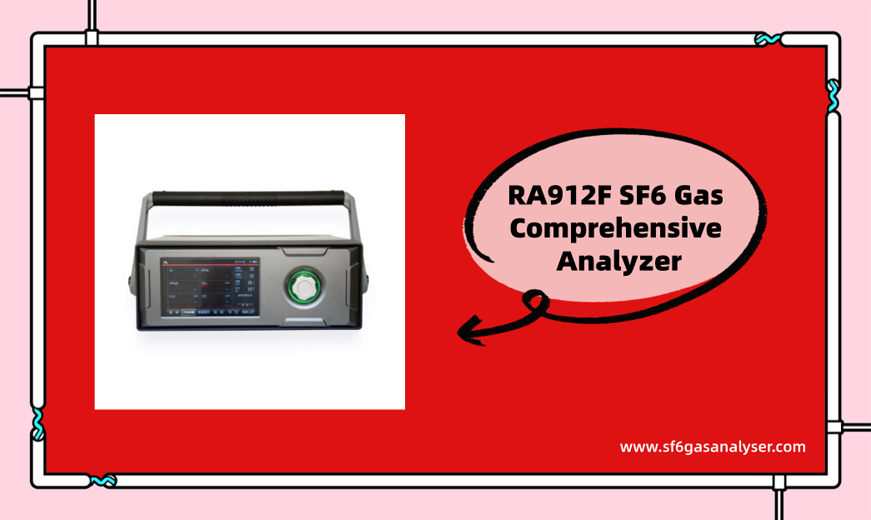
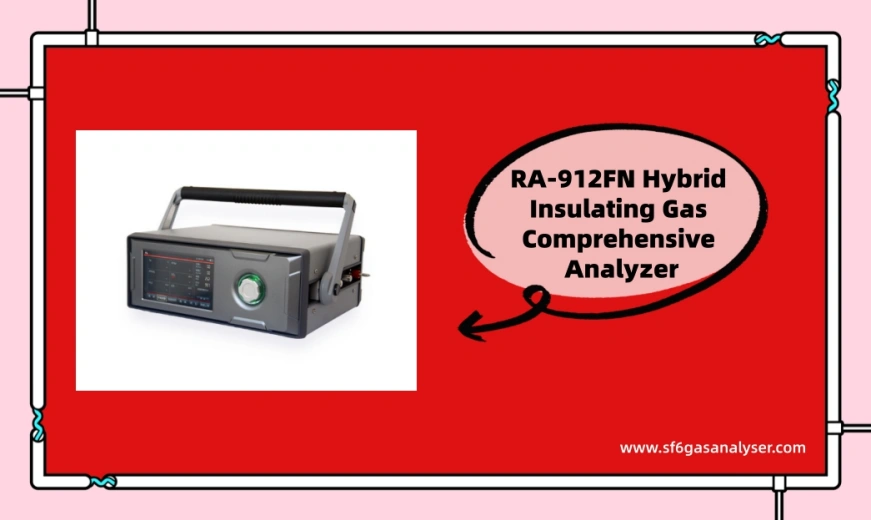
Yes, advanced SF6 analyzers are capable of detecting key decomposition products such as sulfur dioxide (SO₂), hydrogen sulfide (H₂S), and carbon monoxide (CO). These gases form when SF6 decomposes under electrical arcing or overheating conditions. Detecting them helps assess insulation health, identify internal faults, and ensure personnel safety during maintenance of high-voltage equipment.
The humidity (dew point) measurement accuracy in high-quality SF6 gas analyzers typically ranges from ±0.5°C to ±1.0°C dew point under standard operating conditions. Some advanced models using chilled mirror or capacitive polymer sensors may achieve even higher precision. Accuracy can be influenced by factors such as gas pressure, temperature stability, and sensor calibration. Reliable dew point measurement is critical for assessing insulation performance and preventing condensation-related failures in high-voltage equipment.
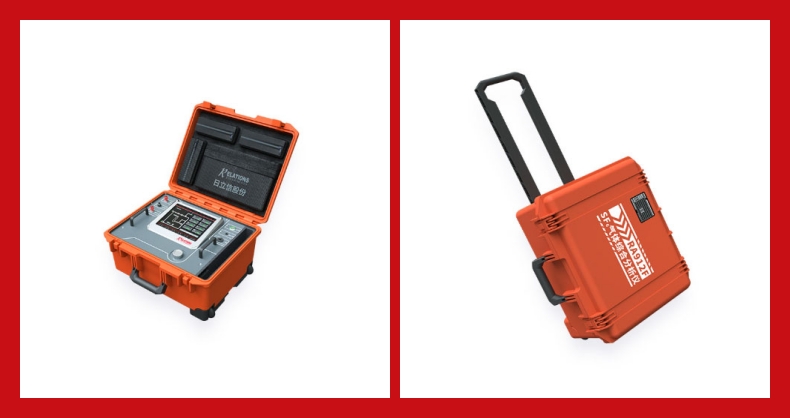
Yes, most SF6 gas analyzers are designed to be portable and field-ready, featuring compact, rugged enclosures—often in pull-handle trolley cases with wheels—for easy transport. They are battery-powered, operate in a wide temperature range, and function reliably in substation environments. Their lightweight design and integrated handles make them suitable for on-site testing of GIS, circuit breakers, and other high-voltage equipment without requiring lab conditions.
Many professional-grade SF6 gas analyzers are designed to comply with key international standards such as IEC 60480 (guidelines for reusing SF6) and IEEE C37.122 (requirements for gas-insulated substations). Compliance ensures accurate measurement of gas quality, safe handling, and alignment with industry best practices for maintenance and emissions control. However, compliance varies by model and manufacturer, so users should verify certification documentation before purchase.