
Accurate humidity measurement—specifically dew point—in sulfur hexafluoride (SF6) gas is critical for the safe and reliable operation of high-voltage electrical equipment like gas-insulated switchgear (GIS) and circuit breakers. But how precise are modern SF6 gas analyzers, and what factors influence their dew point accuracy? This guide breaks down technical specifications, sensor technologies, industry standards, and best practices to help engineers and utility professionals make informed decisions.
SF6 is used as an insulating and arc-quenching medium in power transmission systems. However, even trace amounts of moisture can lead to:
Industry standards such as IEC 60480 and IEC 62271-1 set strict limits on allowable moisture levels—often below 100–200 ppmv, and sometimes as low as 10 ppmv in new gas. Since dew point directly correlates with moisture concentration, high-accuracy dew point measurement is non-negotiable.
Modern SF6 analyzers offer varying levels of precision based on sensor type and design:
| Sensor Type | Dew Point Accuracy (°C Td) | Moisture Resolution | Best For |
|---|---|---|---|
| Chilled Mirror | ±0.1 to ±0.5 | <1 ppmv | Lab-grade, calibration labs |
| Capacitive Polymer | ±0.5 to ±2.0 | 1–5 ppmv | Field use, routine maintenance |
| Aluminum Oxide (legacy) | ±2.0 or worse | >5 ppmv | Not recommended for critical apps |
Most portable SF6 gas analyzers used by utilities employ capacitive polymer sensors, delivering ±1.0 °C Td accuracy across a typical range of –60 °C to +20 °C Td. High-end models may achieve ±0.5 °C Td, sufficient for compliance with stringent moisture limits.
💡 Note: At –40 °C Td (a common specification threshold), ±1 °C error equals roughly ±5–7 ppmv in SF6 at 0.5 MPa—highlighting why sub-degree accuracy matters.
Factory calibration against NIST- or PTB-traceable standards is essential. Field verification using certified moisture generators or reference gases every 6–12 months ensures long-term reliability.
Dew point is pressure-dependent. Accurate conversion from measured dew point to ppmv (parts per million by volume) requires precise knowledge of total gas pressure. Leading analyzers include built-in pressure sensors and automatic compensation algorithms.
Arc byproducts like SO₂, CF₄, or oil vapors can coat sensors or alter readings—especially in capacitive types. Some analyzers integrate multi-gas detection (SO₂, H₂S, CO) to flag contamination that may compromise humidity data.
Rapid ambient temperature changes can cause condensation or thermal lag. Quality analyzers feature temperature-controlled sample cells or stabilization algorithms.
According to IEC 62271-1, moisture content in SF6 for GIS should not exceed:
To reliably verify compliance, measurement uncertainty must be significantly lower than these thresholds. Most utilities and standards bodies accept a maximum dew point uncertainty of ±2.0 °C Td—though ±1.0 °C Td or better is preferred for critical assets.
For context:
In 2025, high-quality SF6 gas analyzers deliver dew point accuracy between ±0.5 °C and ±2.0 °C Td, with most field instruments achieving ±1.0 °C Td under normal conditions. This translates to moisture measurement uncertainty of 1–10 ppmv, which is adequate for meeting IEC standards and ensuring grid reliability.
For mission-critical applications—such as commissioning new GIS or investigating moisture-related failures—opt for analyzers with chilled mirror sensors or certified high-accuracy capacitive sensors, full pressure/temperature compensation, and multi-gas capability.
By understanding sensor limitations, adhering to calibration schedules, and selecting the right tool for your application, you can ensure accurate, compliant, and actionable SF6 humidity data—protecting both equipment and personnel.
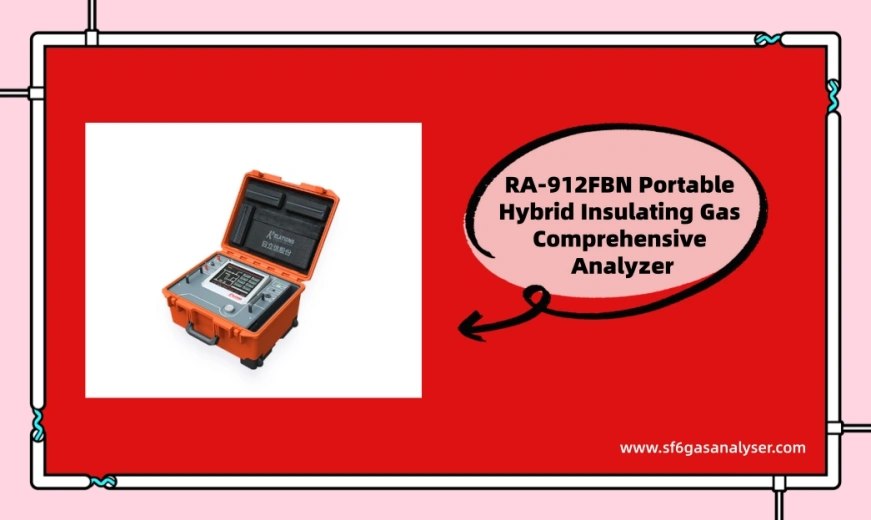
Yes, advanced SF6 analyzers are capable of detecting key decomposition products such as sulfur dioxide (SO₂), hydrogen sulfide (H₂S), and carbon monoxide (CO). These gases form when SF6 decomposes under electrical arcing or overheating conditions. Detecting them helps assess insulation health, identify internal faults, and ensure personnel safety during maintenance of high-voltage equipment.
The humidity (dew point) measurement accuracy in high-quality SF6 gas analyzers typically ranges from ±0.5°C to ±1.0°C dew point under standard operating conditions. Some advanced models using chilled mirror or capacitive polymer sensors may achieve even higher precision. Accuracy can be influenced by factors such as gas pressure, temperature stability, and sensor calibration. Reliable dew point measurement is critical for assessing insulation performance and preventing condensation-related failures in high-voltage equipment.
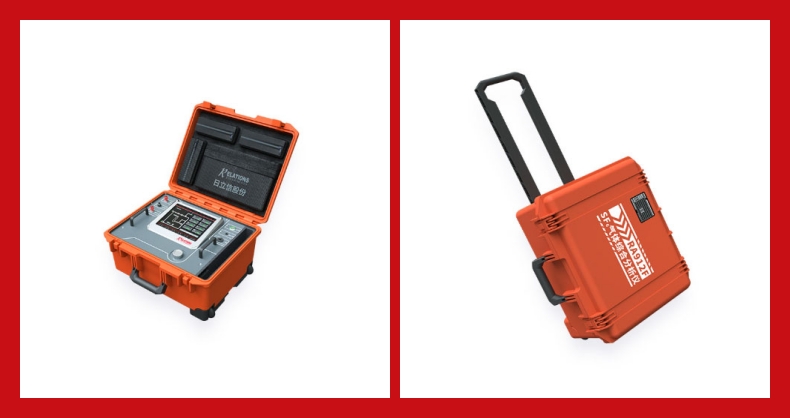
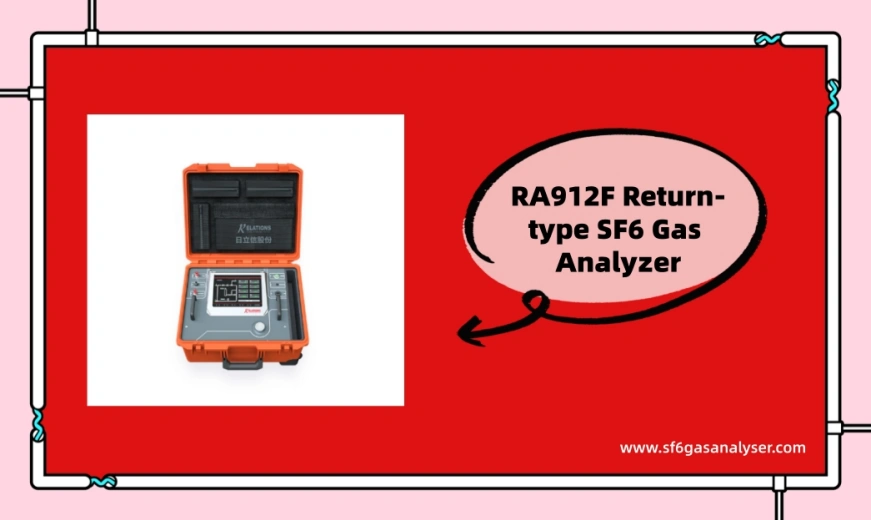
Yes, most SF6 gas analyzers are designed to be portable and field-ready, featuring compact, rugged enclosures—often in pull-handle trolley cases with wheels—for easy transport. They are battery-powered, operate in a wide temperature range, and function reliably in substation environments. Their lightweight design and integrated handles make them suitable for on-site testing of GIS, circuit breakers, and other high-voltage equipment without requiring lab conditions.
Many professional-grade SF6 gas analyzers are designed to comply with key international standards such as IEC 60480 (guidelines for reusing SF6) and IEEE C37.122 (requirements for gas-insulated substations). Compliance ensures accurate measurement of gas quality, safe handling, and alignment with industry best practices for maintenance and emissions control. However, compliance varies by model and manufacturer, so users should verify certification documentation before purchase.