
In the modern power industry, the reliability of high-voltage Gas-Insulated Switchgear (GIS) and Ring Main Units (RMU) is non-negotiable. At the heart of these systems is Sulfur Hexafluoride (SF6), an inorganic, colorless, and odorless gas with exceptional dielectric strength. However, the operational environment of a substation is harsh. Over time, electrical arcing, partial discharges, and thermal stress degrade gas quality.
The emergence of electrochemical SF6 analysis for substation gas quality monitoring has revolutionized how utilities manage these assets. By providing real-time, quantitative detection of decomposition products alongside purity and humidity, this technology ensures that minor internal faults are identified before they escalate into catastrophic failures.
While pure SF6 is chemically inert, the high-energy events within a circuit breaker cause the molecules to disassociate. These fragments react with trace moisture and oxygen to form hazardous byproducts.
The Chemical Fingerprints of Grid Health Monitoring these products via electrochemical SF6 analysis allows technicians to diagnose the specific type of internal distress:
Sulfur Dioxide (SO2): A primary indicator of arc discharge or spark discharge.
Hydrogen Sulfide (H2S): Indicates severe discharge involving moisture and metallic contacts.
Carbon Monoxide (CO): Points toward the overheating or degradation of organic solid insulating materials.
Left unchecked, these acidic byproducts etch internal spacers and insulators, leading to a permanent loss of dielectric integrity. Effective substation gas quality monitoring is therefore the first line of defense in predictive maintenance.
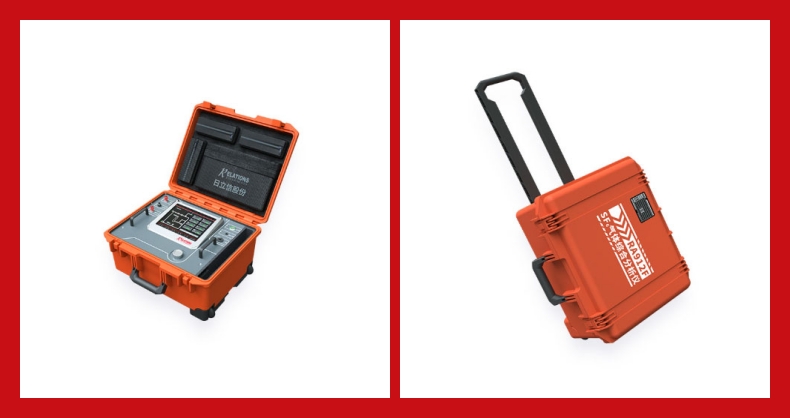
Our latest high-precision, intelligent analyzer represents a paradigm shift in field diagnostics. It integrates laboratory-grade precision into a portable frame optimized for the power, railway, and petrochemical industries.
A. High-Precision Multi-Sensor Integration Unlike single-function testers, this unit utilizes a hybrid detection approach. It combines thermal conductivity (TCD) for purity, resistive-capacitive sensors for humidity, and a sophisticated electrochemical array for decomposition products. This allows for a comprehensive all-in-one field report.
B. Intelligent ID Recognition and Big Data Readiness A recurring challenge in field work is the data-to-device mismatch. This analyzer features automatic ID identification, ensuring that every measurement is digitally tethered to the correct piece of equipment. Furthermore, it supports customized data uploads, providing the raw data necessary for utility-wide Big Data analytics and trend forecasting.
C. Automated Flow and Pressure Control Sensor accuracy is highly dependent on a stable gas flow rate. The system features automatic flow regulation and inlet pressure detection. If the pressure is abnormal, the device triggers an alarm, protecting the sensitive electrochemical sensors and ensuring the validity of the sample.
For engineering and procurement teams, the value of electrochemical SF6 analysis for substation gas quality monitoring is found in the rigorous precision of the instrumentation.
SF6 Purity Detection Principle: Thermal Conductivity Measurement Range: 0 to 100% (Volume Ratio) Maximum Error: ±0.5%
Humidity (Dew Point) Detection Principle: Resistive-Capacitive Measurement Range: -60 to +20 degrees Celsius Maximum Error: ±2 degrees Celsius
Sulfur Dioxide (SO2) Detection Principle: Electrochemical Measurement Range: 0 to 100 microliters per liter Maximum Error: 0.5 microliters per liter (for range 0-10); 5% (for range 10-100)
Hydrogen Sulfide (H2S) Detection Principle: Electrochemical Measurement Range: 0 to 100 microliters per liter Maximum Error: 0.5 microliters per liter (for range 0-10); 5% (for range 10-100)
Carbon Monoxide (CO) Detection Principle: Electrochemical Measurement Range: 0 to 500 microliters per liter Maximum Error: ±2 microliters per liter (for range 0-50); ±4% (for range 50-500)
The inclusion of an SO2 precision estimation function ensures that even trace amounts of this critical indicator are captured accurately, providing a clear early warning signal to maintenance teams.
Field work requires speed, accuracy, and compliance. This analyzer is designed to optimize the technician’s workflow through several high-value features:
Automatic Diagnostic Logic: The device automatically compares measurement results against national standards (State Grid/Southern Grid). It doesn’t just display numbers; it provides a diagnosis and suggested adjustment measures.
Dual Measurement Modes: Technicians can choose between manual and automatic modes. In automatic mode, the analyzer monitors gas stability, alerts the operator when the measurement is complete, and proactively ends the test to conserve gas.
One-Click Data Export: Using standardized templates, data can be exported instantly, significantly reducing the administrative burden of report generation.
While the primary application is substation gas quality monitoring, the versatility of electrochemical SF6 analysis makes it indispensable across multiple sectors:
Railway Systems: Monitoring traction power equipment where high-frequency switching and vibration are common.
Petrochemical Plants: Protecting high-voltage assets in corrosive environments where external gas purity is vital.
Manufacturing: Serving as a final quality control check during the production and filling of new GIS components.
In the current global climate, SF6 management is an environmental priority. SF6 is a potent greenhouse gas, and its degradation into toxic byproducts makes its recovery and handling more complex.
By using high-precision electrochemical SF6 analysis for substation gas quality monitoring, utilities can:
Extend Equipment Life: Identifying acidic byproducts early prevents permanent internal damage.
Reduce Gas Waste: Efficient, stable measurements minimize the amount of gas vented during testing.
Ensure Staff Safety: Early detection of toxic gases like H2S protects technicians during maintenance or repair operations.
As the power grid evolves toward higher voltages and smarter infrastructure, the tools we use for monitoring must evolve as well. The integration of electrochemical SF6 analysis for substation gas quality monitoring represents the most effective way to maintain SF6-insulated equipment.
By combining precision electrochemical sensing with intelligent data management and automated safety controls, this analyzer empowers utilities to maintain a safe, reliable, and environmentally compliant grid. Investing in high-precision gas analysis isn’t just a maintenance task—it’s a strategic commitment to the future of energy infrastructure.
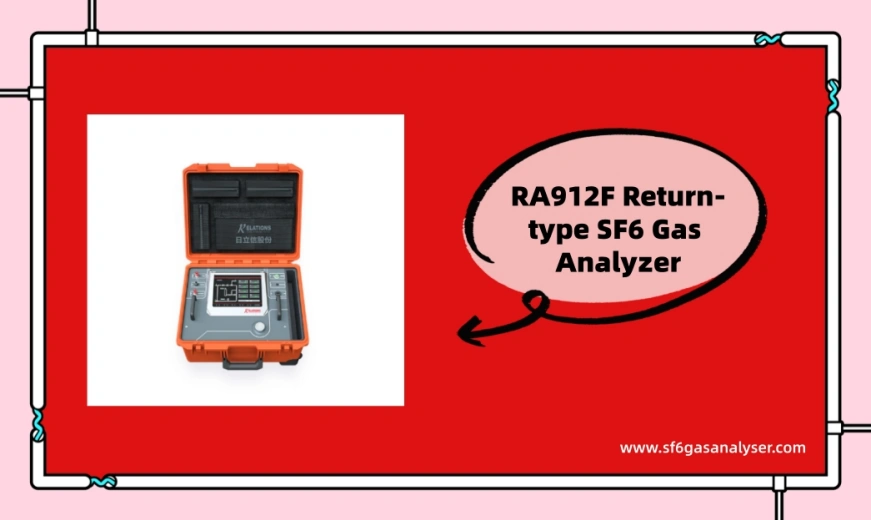
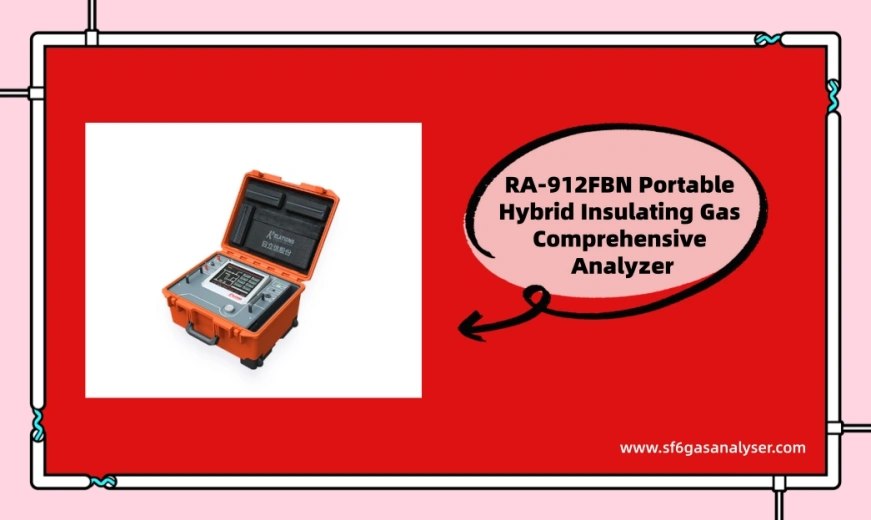
Yes, advanced SF6 analyzers are capable of detecting key decomposition products such as sulfur dioxide (SO₂), hydrogen sulfide (H₂S), and carbon monoxide (CO). These gases form when SF6 decomposes under electrical arcing or overheating conditions. Detecting them helps assess insulation health, identify internal faults, and ensure personnel safety during maintenance of high-voltage equipment.
The humidity (dew point) measurement accuracy in high-quality SF6 gas analyzers typically ranges from ±0.5°C to ±1.0°C dew point under standard operating conditions. Some advanced models using chilled mirror or capacitive polymer sensors may achieve even higher precision. Accuracy can be influenced by factors such as gas pressure, temperature stability, and sensor calibration. Reliable dew point measurement is critical for assessing insulation performance and preventing condensation-related failures in high-voltage equipment.
Yes, most SF6 gas analyzers are designed to be portable and field-ready, featuring compact, rugged enclosures—often in pull-handle trolley cases with wheels—for easy transport. They are battery-powered, operate in a wide temperature range, and function reliably in substation environments. Their lightweight design and integrated handles make them suitable for on-site testing of GIS, circuit breakers, and other high-voltage equipment without requiring lab conditions.
Many professional-grade SF6 gas analyzers are designed to comply with key international standards such as IEC 60480 (guidelines for reusing SF6) and IEEE C37.122 (requirements for gas-insulated substations). Compliance ensures accurate measurement of gas quality, safe handling, and alignment with industry best practices for maintenance and emissions control. However, compliance varies by model and manufacturer, so users should verify certification documentation before purchase.