
Articles

  • Home
  • Articles
  • Understanding the Importance and Functionality of an SF6 Gas Recovery System After Leakage Detection
Understanding the Importance and Functionality of an SF6 Gas Recovery System After Leakage Detection

Understanding the Importance and Functionality of an SF6 Gas Recovery System After Leakage Detection

2025-12-01


If you have any needs regarding SF6 gas recovery, purification, and recycling, please feel free to contact us using the information below! We offer high-quality, standardized SF6 gas processing equipment that ensures the purity of recycled SF6 gas and helps you save on the cost of purchasing new gas.


Phone Number: +86-0371-68988008
Email: [email protected]
Address: High-new Tech Zone Zhengzhou, Henan, China

Sulfur hexafluoride (SF6) gas is widely used in high-voltage electrical equipment such as circuit breakers, switchgear, and transformers due to its excellent insulating and arc-quenching properties. However, SF6 is also a potent greenhouse gas with a global warming potential (GWP) approximately 23,500 times greater than that of carbon dioxide over a 100-year period. Because of its environmental impact, regulatory bodies worldwide—including the U.S. Environmental Protection Agency (EPA) and the European Union—have implemented strict guidelines for handling, monitoring, and recovering SF6 gas.

One critical aspect of responsible SF6 management is the implementation of an SF6 gas recovery system after leakage detection. This article explores why such systems are essential, how they function, and best practices for ensuring compliance, safety, and environmental stewardship.


Why Detect and Recover SF6 Leaks Promptly?

Undetected or unaddressed SF6 leaks pose multiple risks:

  • Environmental Impact: Even small leaks can significantly contribute to greenhouse gas emissions.
  • Operational Safety: Low SF6 levels in electrical equipment can compromise insulation integrity, leading to equipment failure or even catastrophic outages.
  • Regulatory Non-Compliance: Many jurisdictions require mandatory reporting and mitigation of SF6 emissions, with penalties for non-compliance.
  • Financial Loss: SF6 is expensive; unrecovered gas represents direct economic loss.

Therefore, once a leak is detected—through methods like infrared imaging, ultrasonic detectors, or fixed gas sensors—an immediate response protocol involving an SF6 gas recovery system becomes essential.


What Is an SF6 Gas Recovery System?

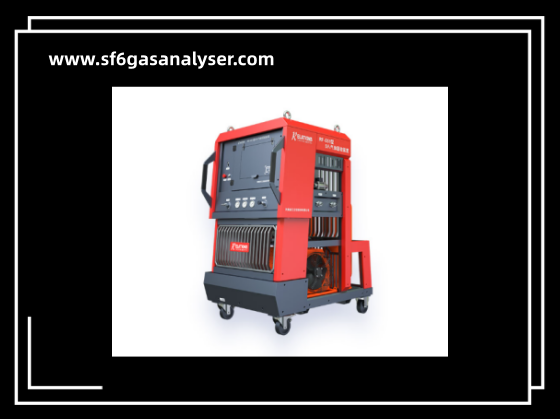
An SF6 gas recovery system is a specialized set of equipment designed to safely extract, purify, store, and, when possible, reuse sulfur hexafluoride from electrical apparatus. These systems typically include:

  • Vacuum pumps to evacuate residual gas.
  • Compressors to pressurize and transfer SF6 into storage cylinders.
  • Filters and purification units to remove moisture, oil, and decomposition byproducts.
  • Gas analyzers to assess purity before reuse.
  • Control panels with automated functions for safe operation.

Modern recovery units are often mobile, allowing technicians to respond quickly to leak sites across substations or industrial facilities.


The Recovery Process After Leak Detection

When a leak is identified, the following steps should be taken using an SF6 gas recovery system:

  1. Isolate the Affected Equipment: Shut down and electrically isolate the compromised unit to ensure technician safety.
  2. Assess the Leak Severity: Use calibrated detectors to quantify the leak rate and determine urgency.
  3. Initiate Gas Recovery: Connect the recovery unit to the equipment’s service valves. The system evacuates remaining SF6 while maintaining a closed-loop process to prevent atmospheric release.
  4. Purify the Recovered Gas: Pass the extracted gas through filters to remove contaminants. Standards such as IEC 60480 specify acceptable purity levels for reused SF6.
  5. Store or Reuse: Store purified SF6 in DOT-approved cylinders for future use or send it for reprocessing if contamination exceeds thresholds.
  6. Repair and Recharge: After fixing the leak source (e.g., replacing seals or gaskets), the equipment is evacuated again to remove air and moisture, then refilled with certified SF6 gas.
  7. Document and Report: Maintain detailed logs of the incident, recovery volume, repair actions, and gas quality—essential for regulatory compliance and internal audits.

Benefits of an Efficient SF6 Recovery System

Implementing a robust SF6 gas recovery system after leakage detection offers several advantages:

  • Environmental Responsibility: Minimizes greenhouse gas emissions and supports corporate sustainability goals.
  • Cost Savings: Reduces the need to purchase new SF6, which can cost hundreds of dollars per kilogram.
  • Regulatory Compliance: Helps meet EPA GHG Reporting Rule (Subpart DD) and F-Gas Regulation requirements in the EU.
  • Enhanced Reliability: Ensures electrical equipment maintains optimal performance post-repair.
  • Safety Assurance: Prevents exposure to toxic decomposition products formed during electrical arcing (e.g., SOF2, HF).

Best Practices for Effective SF6 Management

To maximize the effectiveness of your SF6 recovery efforts:

  • Conduct Regular Inspections: Implement routine leak checks using sensitive detection tools.
  • Train Personnel: Ensure staff are certified in SF6 handling and recovery procedures (e.g., through EPA Section 608 certification or equivalent).
  • Use High-Quality Recovery Equipment: Invest in modern, efficient units with built-in gas analysis and data logging.
  • Maintain Accurate Records: Track SF6 inventory, usage, recovery volumes, and emissions annually.
  • Partner with Certified Recyclers: For heavily contaminated gas, work with licensed reprocessing facilities.

Future Trends: Alternatives and Digital Integration

While SF6 remains prevalent, the industry is exploring eco-friendly alternatives like g³ (green gas for grid) and clean air mixtures. However, until these gain widespread adoption, SF6 will continue to be used—making recovery systems indispensable.

Moreover, digitalization is transforming SF6 management. Smart sensors now provide real-time leak monitoring, while IoT-enabled recovery units can auto-log data and integrate with enterprise asset management (EAM) systems for predictive maintenance.


An SF6 gas recovery system after leakage detection is not just a technical necessity—it’s a cornerstone of environmental responsibility, regulatory compliance, and operational excellence in the power industry. By swiftly recovering leaked gas, utilities and industrial operators protect the planet, reduce costs, and ensure the reliability of critical infrastructure. As regulations tighten and sustainability becomes a business imperative, investing in advanced SF6 recovery technology is a strategic decision with long-term benefits.

For facility managers, engineers, and environmental officers, prioritizing SF6 leak detection and recovery isn’t optional—it’s essential. With the right systems and protocols in place, organizations can turn a potential environmental liability into a model of green engineering practice.


SF6 Gas Analyzer


Technical Support


Contact Us Now