
In the maintenance of SF6-insulated switchgear, moisture control is critical. Whether you are recording data in Dew Point (°C) or PPM (parts per million), accuracy and consistency are non-negotiable. But how do you bridge the gap between these units, and what is the best way to measure them on-site?
Moisture in SF6 gas can lead to the formation of corrosive by-products (like HF or SO2) when arcing occurs, compromising the dielectric strength of the equipment.
Dew Point (°C): The temperature at which water vapor begins to condense.
PPMv/PPMw: The volume or weight ratio of moisture in the gas.
The SF6 Humidity Conversion (PPM vs Dew Point) is non-linear and depends heavily on gas pressure and temperature. According to the DL/T 506-2018 standard, modern analyzers must provide automatic conversion to ensure data compliance and safety.
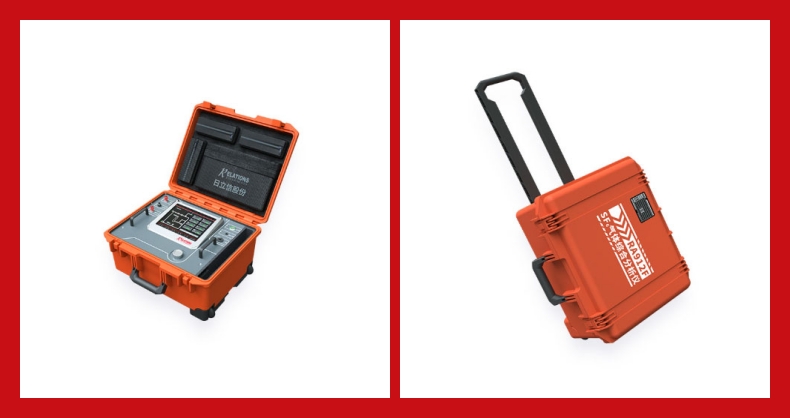
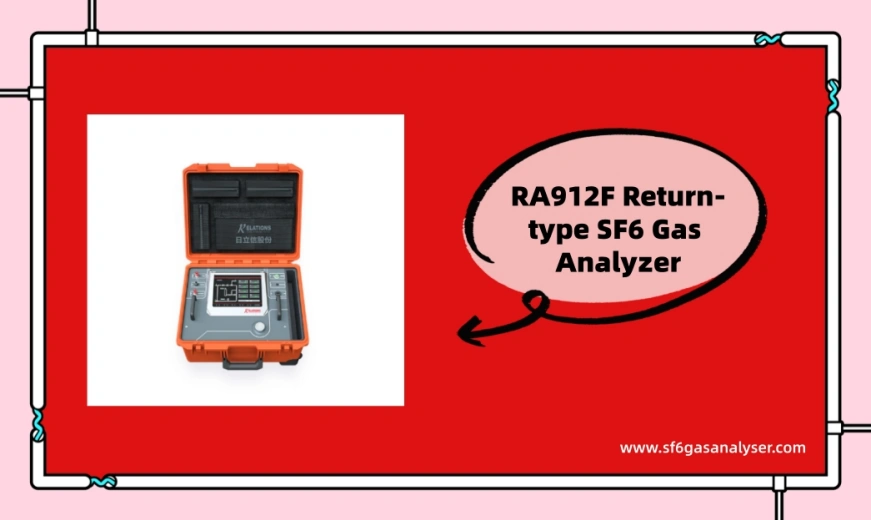
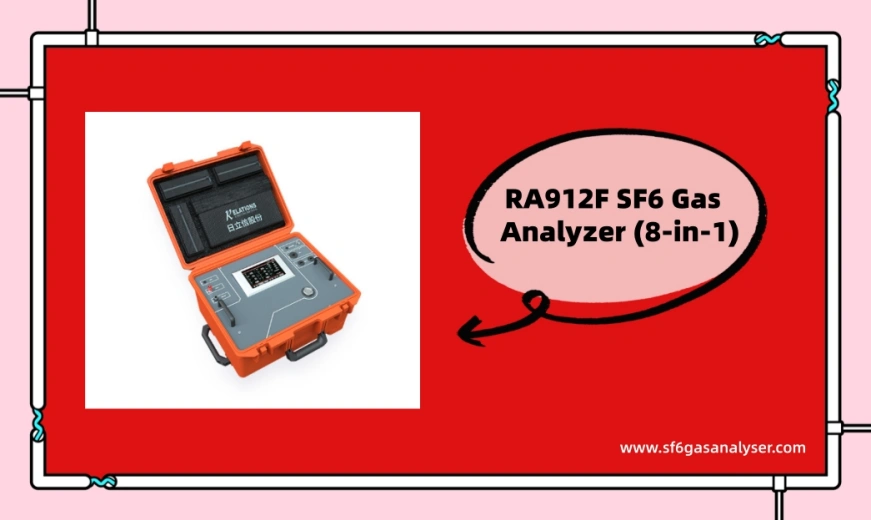
Our latest SF6 Gas Analyzer is designed to take the guesswork out of field testing. It doesn’t just measure; it interprets.
Dual-Sensor Options: Choose between high-stability Capacitive sensors or ultra-fast Laser (TDLAS) sensors for moisture detection.
Automatic PPMS Conversion: Instantly switch between Dew Point and PPMv/PPMw, fully compliant with international and domestic standards.
Zero-Emission Testing: Unique gas Recovery and Refilling functions ensure that not a single gram of SF6 is released into the atmosphere.
| Parameter | Range | Accuracy |
| Humidity (Dew Point) | -60°C to +20°C | ±1°C (Laser) / ±2°C (Capacitive) |
| SF6 Purity | 0 ~ 100% | ±0.5% |
| Decomposition (SO2/H2S/CO) | 0 ~ 100/500 μL/L | High-sensitivity Electrochemical |
Imagine you are at a remote substation. You need to verify the gas quality of a GIS (Gas Insulated Switchgear).
Seamless Connection: Using the Trolley-style portable design, you easily transport the analyzer to the testing point.
One-Click Testing: The Expert Diagnosis System automatically locks the stable data. No manual calculation for PPM vs Dew Point is needed—the screen displays both simultaneously.
Eco-Friendly Recovery: After testing, the analyzer uses its internal pump to refill the sample gas back into the chamber or an external tank, achieving Zero Loss.
Expert Diagnosis: The system compares measured data against pre-set standards to provide an immediate “Pass/Fail” judgment.
Massive Storage: Save up to 10,000 data sets and export them via USB for comprehensive reporting.
Modular Maintenance: Unique internal design allows for individual sensor replacement, significantly reducing long-term calibration downtime.
Mastering SF6 humidity conversion (PPM vs Dew Point) is essential for grid reliability. By utilizing an Integrated SF6 Gas Analyzer that handles these conversions automatically while offering gas recovery, you protect both your equipment and the environment.
Yes, advanced SF6 analyzers are capable of detecting key decomposition products such as sulfur dioxide (SO₂), hydrogen sulfide (H₂S), and carbon monoxide (CO). These gases form when SF6 decomposes under electrical arcing or overheating conditions. Detecting them helps assess insulation health, identify internal faults, and ensure personnel safety during maintenance of high-voltage equipment.
The humidity (dew point) measurement accuracy in high-quality SF6 gas analyzers typically ranges from ±0.5°C to ±1.0°C dew point under standard operating conditions. Some advanced models using chilled mirror or capacitive polymer sensors may achieve even higher precision. Accuracy can be influenced by factors such as gas pressure, temperature stability, and sensor calibration. Reliable dew point measurement is critical for assessing insulation performance and preventing condensation-related failures in high-voltage equipment.
Yes, most SF6 gas analyzers are designed to be portable and field-ready, featuring compact, rugged enclosures—often in pull-handle trolley cases with wheels—for easy transport. They are battery-powered, operate in a wide temperature range, and function reliably in substation environments. Their lightweight design and integrated handles make them suitable for on-site testing of GIS, circuit breakers, and other high-voltage equipment without requiring lab conditions.
Many professional-grade SF6 gas analyzers are designed to comply with key international standards such as IEC 60480 (guidelines for reusing SF6) and IEEE C37.122 (requirements for gas-insulated substations). Compliance ensures accurate measurement of gas quality, safe handling, and alignment with industry best practices for maintenance and emissions control. However, compliance varies by model and manufacturer, so users should verify certification documentation before purchase.