
2025-12-23
If you have any needs regarding SF6 gas recovery, purification, and recycling, please feel free to contact us using the information below! We offer high-quality, standardized SF6 gas processing equipment that ensures the purity of recycled SF6 gas and helps you save on the cost of purchasing new gas.
| Phone Number: | +86-0371-68988008 |
|---|---|
| Email: | [email protected] |
| Address: | High-new Tech Zone Zhengzhou, Henan, China |
In modern chemical plants, high-voltage electrical systems—especially gas-insulated switchgear (GIS) and SF6 circuit breakers—are essential for reliable power distribution in space-constrained, hazardous, or corrosive environments. These systems rely on sulfur hexafluoride (SF6) gas for its exceptional dielectric strength and arc-quenching properties. However, SF₆ is not maintenance-free. Under electrical stress or contamination, it can decompose into toxic byproducts, while leaks or improper handling introduce moisture, air, or oxygen—compromising both equipment and personnel safety.
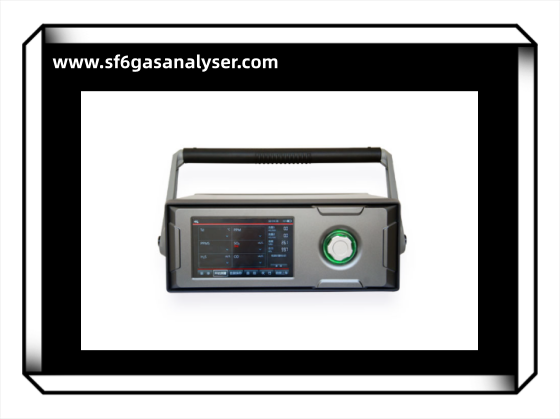
To mitigate these risks, chemical plants must deploy a professional SF6 gas analyzer for chemical plant applications. This isn’t just a best practice—it’s a critical component of process safety management (PSM), environmental compliance, and asset integrity programs.
Unlike conventional substations, chemical plants operate in environments with:
In such settings, even minor SF₆ degradation can trigger serious consequences:
Without real-time gas quality verification, these hazards remain invisible until failure occurs.
A fit-for-purpose SF6 gas analyzer for chemical plant goes beyond basic purity checks. It must deliver comprehensive, on-site analysis of:
✅ SF₆ Purity (%) – via NDIR (non-dispersive infrared) spectroscopy for direct, accurate quantification
✅ Moisture (H₂O) – down to 1 ppmv, using capacitive or chilled-mirror sensors
✅ Decomposition Byproducts – especially SO₂ (key indicator of arcing) and HF (critical in chemical zones)
✅ Oxygen (O₂) and Air (N₂) – using electrochemical or thermal conductivity sensors to detect ingress
✅ Optional: CF₄, CO, or SOF₂ – for advanced diagnostics in faulted compartments
All measurements should be completed in under 2 minutes, with intrinsically safe (ATEX/IECEx) certification for use in Zone 2 or Class I Div 2 areas.
Chemical plants are subject to stringent global and local regulations that mandate SF6 monitoring:
A certified SF6 gas analyzer for chemical plant provides auditable, timestamped data that satisfies inspectors, insurers, and corporate sustainability teams.
ROI is typically achieved within 12–18 months through avoided failures and optimized SF6 gas handling.
Not all SF6 gas analyzers are suitable for industrial chemical environments. Prioritize:
🔹 ATEX/IECEx Certification – Essential for use near process areas
🔹 NDIR + Electrochemical Sensors – For direct SF₆, O₂, and SO₂ measurement (avoid “calculated purity” devices)
🔹 Ruggedized Housing – IP54 or higher, resistant to chemical splashes
🔹 Intrinsically Safe Battery Operation – No external power needed in hazardous zones
🔹 Local Calibration Support – Critical for maintaining accuracy in tropical or desert climates
Top models trusted in chemical facilities globally include:
At a major olefins plant in Map Ta Phut, Thailand, routine maintenance on a 115 kV SF₆ breaker triggered concern when the team’s SF₆ gas analyzer for chemical plant detected SO₂ at 2.1 ppm and HF at 0.8 ppm—above IEC 60480 limits (SO₂ ≤1 ppm, HF ≤0.3 ppm).
Instead of proceeding with standard procedures, the team:
The contaminated gas was safely recovered and destroyed. Without on-site analysis, technicians could have been exposed to lethal HF concentrations during disassembly.
In the high-stakes world of chemical manufacturing, assumptions about SF₆ quality are unacceptable. A professional SF6 gas analyzer for chemical plant delivers the precision, safety certification, and regulatory alignment needed to protect people, processes, and the planet.
For plant managers, EHS directors, and reliability engineers, this technology is not an expense—it’s an essential layer of operational resilience.
Invest in intelligence. Analyze on-site. Operate without compromise.