
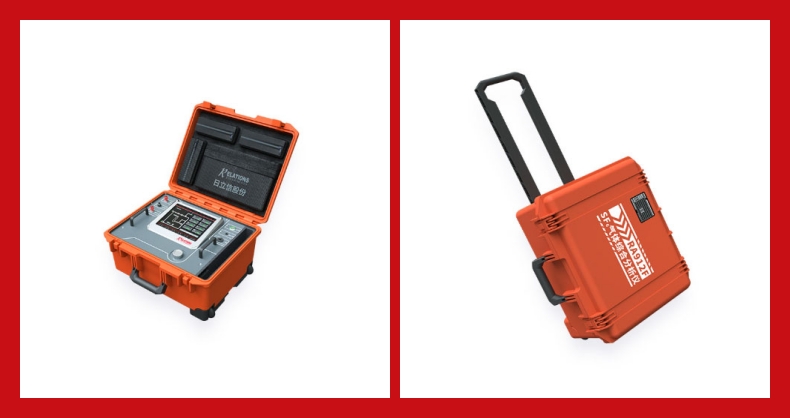
Yes, many modern SF6 analyzers are capable of detecting decomposition products such as SO₂ (sulfur dioxide), H₂S (hydrogen sulfide), and CO (carbon monoxide)—but this capability depends on the specific sensor configuration and model of the SF6 gas analyzer.
These decomposition byproducts form when SF6 gas is exposed to electrical arcing, partial discharge, or overheating inside high-voltage equipment like circuit breakers or GIS (Gas-Insulated Switchgear). Detecting them early is critical for fault diagnosis, safety, and predictive maintenance.
| Gas | Typical Source in SF6 Equipment | Why It Matters | Detection Method |
|---|---|---|---|
| SO₂ (Sulfur Dioxide) | Primary byproduct of SF6 decomposition in presence of trace moisture and oxygen during arcing | Reliable indicator of active internal faults; >2 ppm often triggers investigation | Electrochemical sensor (most common), NDIR, or photoacoustic |
| H₂S (Hydrogen Sulfide) | Forms under severe arcing or from reaction with certain materials (e.g., copper sulfides) | Highly toxic and corrosive; suggests advanced degradation | Electrochemical sensor (less common; often optional) |
| CO (Carbon Monoxide) | Generated if organic materials (e.g., epoxy spacers, gaskets) are involved in arcing | Indicates overheating or burning of solid insulation | Electrochemical or NDIR sensor (usually in advanced models) |
? Note: While SO₂ is standard on most professional SF6 analyzers, H₂S and CO are often optional or available only on high-end or multi-gas models.
A utility technician using a typical field SF6 analyzer might see:
This data helps decide whether to:
| Gas | Detectable by Standard SF6 Analyzer? | Notes |
|---|---|---|
| SO₂ | ✅ Yes (in most professional models) | Key diagnostic marker |
| H₂S | ⚠️ Sometimes (optional feature) | Less common; check specs |
| CO | ❌ Rarely (only in advanced systems) | Requires specific sensor |
Bottom line: If your work involves fault diagnosis or safety-critical assessments, choose an SF6 analyzer that explicitly lists SO₂, and optionally H₂S and CO, in its specifications. Always verify sensor capabilities before purchase or rental.
By detecting these decomposition products, SF6 analyzers transform from simple purity checkers into powerful diagnostic tools that enhance grid reliability and personnel safety.
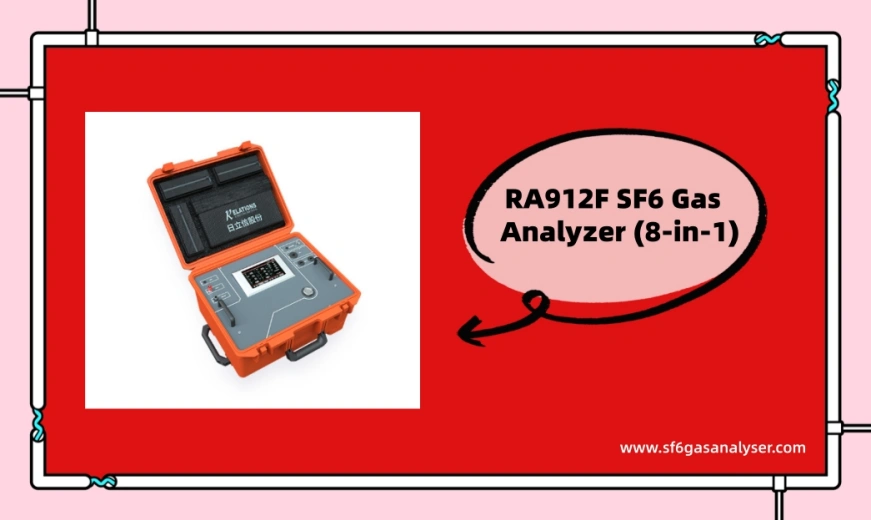
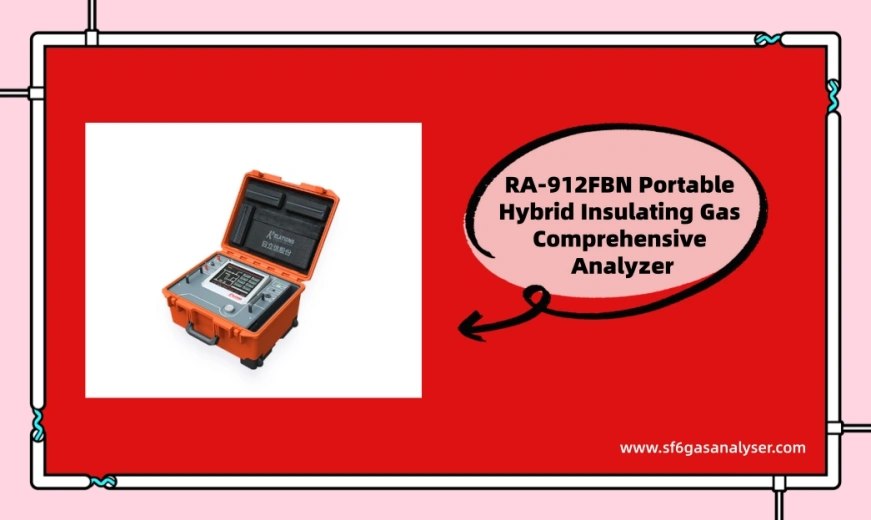
Yes, advanced SF6 analyzers are capable of detecting key decomposition products such as sulfur dioxide (SO₂), hydrogen sulfide (H₂S), and carbon monoxide (CO). These gases form when SF6 decomposes under electrical arcing or overheating conditions. Detecting them helps assess insulation health, identify internal faults, and ensure personnel safety during maintenance of high-voltage equipment.
The humidity (dew point) measurement accuracy in high-quality SF6 gas analyzers typically ranges from ±0.5°C to ±1.0°C dew point under standard operating conditions. Some advanced models using chilled mirror or capacitive polymer sensors may achieve even higher precision. Accuracy can be influenced by factors such as gas pressure, temperature stability, and sensor calibration. Reliable dew point measurement is critical for assessing insulation performance and preventing condensation-related failures in high-voltage equipment.
Yes, most SF6 gas analyzers are designed to be portable and field-ready, featuring compact, rugged enclosures—often in pull-handle trolley cases with wheels—for easy transport. They are battery-powered, operate in a wide temperature range, and function reliably in substation environments. Their lightweight design and integrated handles make them suitable for on-site testing of GIS, circuit breakers, and other high-voltage equipment without requiring lab conditions.
Many professional-grade SF6 gas analyzers are designed to comply with key international standards such as IEC 60480 (guidelines for reusing SF6) and IEEE C37.122 (requirements for gas-insulated substations). Compliance ensures accurate measurement of gas quality, safe handling, and alignment with industry best practices for maintenance and emissions control. However, compliance varies by model and manufacturer, so users should verify certification documentation before purchase.