
The calibration and sensor replacement frequency for an SF6 gas analyzer depends on several factors—including the type of sensors used, operating environment, usage intensity, and manufacturer recommendations. However, general industry best practices and standards (such as IEC 62271-4 and IEC 60480) provide clear guidance to ensure measurement accuracy, safety, and regulatory compliance.
Below is a detailed breakdown:
? Tip: Many modern analyzers have built-in diagnostics that alert users when calibration is due or if sensor performance degrades.
Sensor life varies significantly by technology:
| Sensor Type | Typical Lifespan | Notes |
|---|---|---|
| Electrochemical (SO₂, HF, H₂S) | 12–24 months | Degrade over time even when not in use; sensitive to high gas concentrations and humidity |
| Capacitive Polymer (Moisture/H₂O) | 2–5 years | Can be regenerated or recalibrated; lifespan reduced by condensation or oil contamination |
| Infrared (NDIR) – SF₆ purity, CF₄ | 5+ years | Very stable; rarely need replacement unless physically damaged |
| Thermal Conductivity (Air/N₂) | 3–7 years | Robust but may drift with mechanical shock or contamination |
⚠️ Critical Note: Electrochemical sensors for HF and SO₂ often have the shortest service life—especially if exposed to >10 ppm levels repeatedly. Some manufacturers recommend replacement every 12 months in utility applications.
| Activity | Frequency |
|---|---|
| Zero check | Before each use |
| Bump test / quick validation | Weekly or before critical jobs |
| Full calibration (span + zero) | Annually (or every 6 months in heavy use) |
| Electrochemical sensor replacement | Every 12–24 months |
| Moisture sensor servicing | Every 2–3 years (or as needed) |
| Factory recertification | Every 1–2 years |
Regular calibration and timely sensor replacement aren’t just about accuracy—they directly impact equipment reliability, personnel safety, and environmental compliance. Investing in a disciplined maintenance schedule for your SF6 gas analyzer ensures trustworthy data, avoids costly errors, and supports your organization’s ESG and regulatory obligations. When in doubt, calibrate more often—it’s far cheaper than a false reading leading to a GIS failure or emission violation.
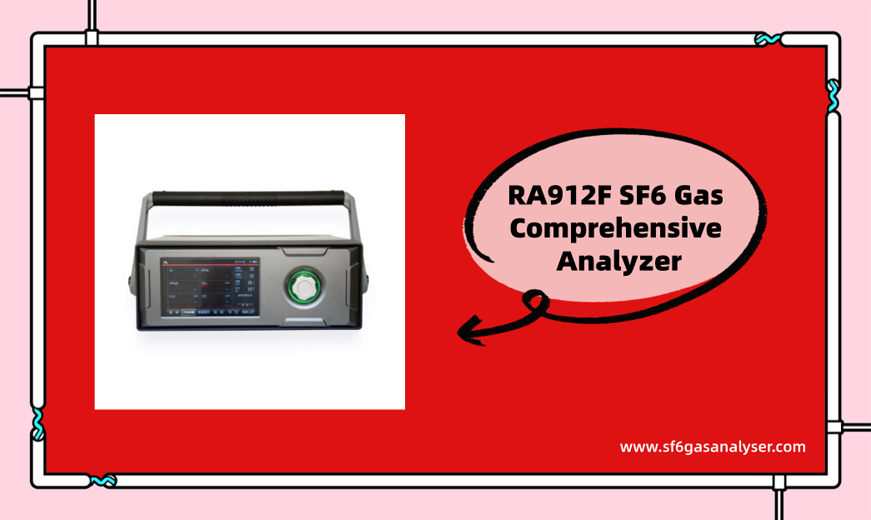
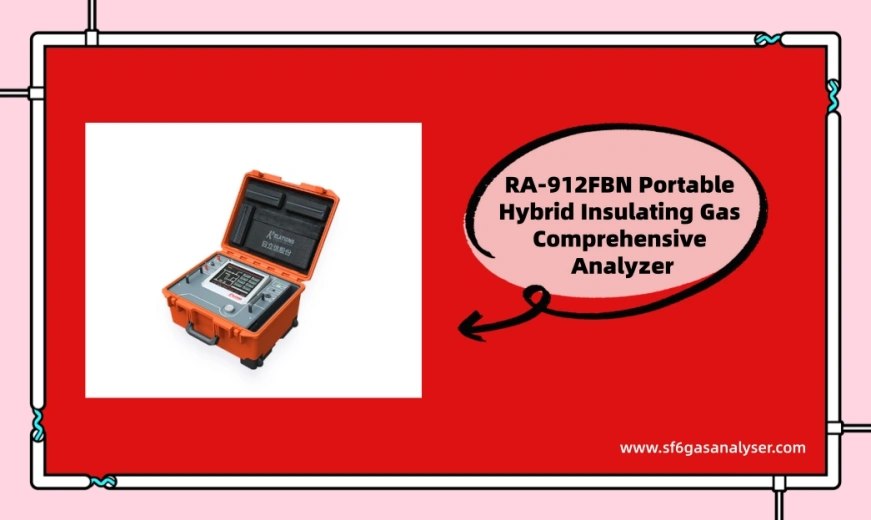
Yes, advanced SF6 analyzers are capable of detecting key decomposition products such as sulfur dioxide (SO₂), hydrogen sulfide (H₂S), and carbon monoxide (CO). These gases form when SF6 decomposes under electrical arcing or overheating conditions. Detecting them helps assess insulation health, identify internal faults, and ensure personnel safety during maintenance of high-voltage equipment.
The humidity (dew point) measurement accuracy in high-quality SF6 gas analyzers typically ranges from ±0.5°C to ±1.0°C dew point under standard operating conditions. Some advanced models using chilled mirror or capacitive polymer sensors may achieve even higher precision. Accuracy can be influenced by factors such as gas pressure, temperature stability, and sensor calibration. Reliable dew point measurement is critical for assessing insulation performance and preventing condensation-related failures in high-voltage equipment.
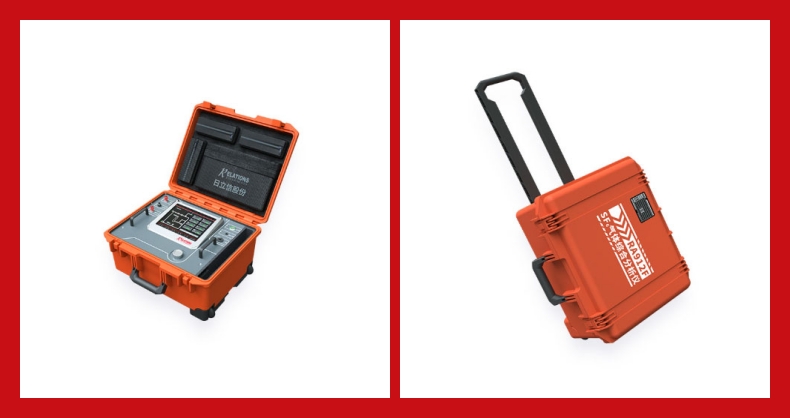
Yes, most SF6 gas analyzers are designed to be portable and field-ready, featuring compact, rugged enclosures—often in pull-handle trolley cases with wheels—for easy transport. They are battery-powered, operate in a wide temperature range, and function reliably in substation environments. Their lightweight design and integrated handles make them suitable for on-site testing of GIS, circuit breakers, and other high-voltage equipment without requiring lab conditions.
Many professional-grade SF6 gas analyzers are designed to comply with key international standards such as IEC 60480 (guidelines for reusing SF6) and IEEE C37.122 (requirements for gas-insulated substations). Compliance ensures accurate measurement of gas quality, safe handling, and alignment with industry best practices for maintenance and emissions control. However, compliance varies by model and manufacturer, so users should verify certification documentation before purchase.